
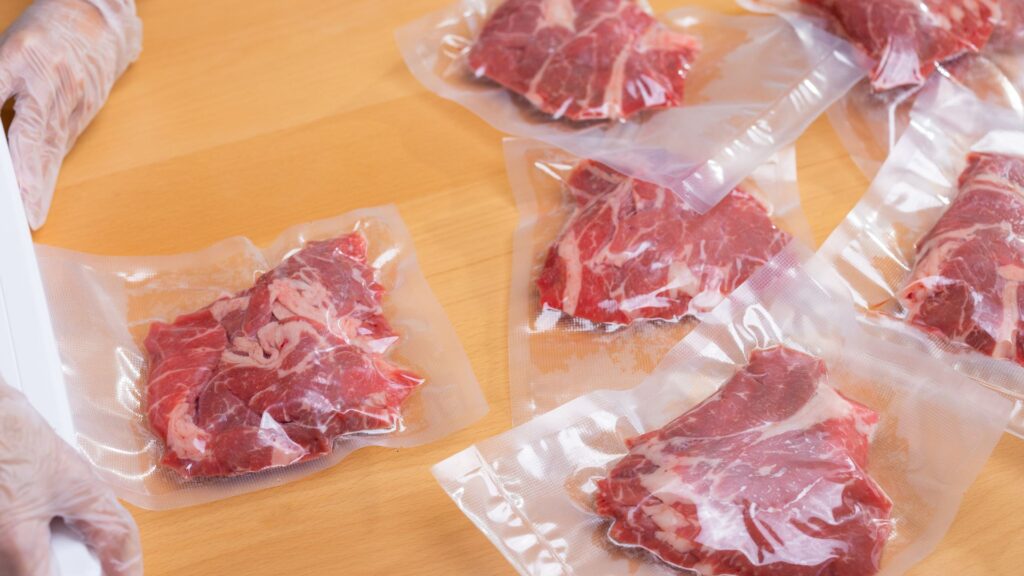
You’re halfway through sealing your bulk meat purchase when your vacuum sealer shuts off. The motor’s hot to touch, and you’ve still got fifteen bags to go.
Overheating is one of the most common issues vacuum sealer owners face, but it’s almost always preventable once you know what to watch for.
We’ll cover seven essential tips to keep your vacuum sealer running cool, explain why these machines overheat, and show you when to seek help. Whether you’re sealing weekly meal prep or preserving a full fishing haul, these strategies will help you avoid overheating and extend your appliance’s life.
7 Essential Ways to Prevent Overheating
1. Respect the Duty Cycle
Every vacuum sealer has a duty cycle, which is the amount of time it can run before needing to cool down. Most domestic units can operate for 20-30 seconds, then require a 20-second rest before the next seal. If your machine feels warm to the touch, wait 60 seconds before starting the next bag.
When you’re sealing in bulk, don’t try to power through all your bags at once. Seal five or six, then take a break while the machine cools.
Australian summers present an additional challenge. Ambient kitchen temperatures of 35-40°C mean your sealer is already warm when it starts, so it is best to seal early in the morning or wait until evening, when it’s cooler.
2. Manage Moisture Carefully
Both the VS105 and VS603 specify no liquids, and there’s a good reason for this. Moist foods extend vacuum time significantly because the machine has to work harder to remove air. The extra runtime generates more heat.
Use paper towel barriers between moist foods and the open end of your vacuum bag. This prevents liquid from being drawn into the vacuum channel during sealing. For meal prep with marinades or sauces, portion them separately and add after reheating.
3. Keep Ventilation Ports Clear
Your vacuum sealer needs airflow. Most units have ventilation ports along the sides or back that allow heat to escape. When these get blocked, heat builds up and triggers automatic shutdowns.
Food crumbs and dust are the usual culprits, but sometimes it’s just that you’ve pushed the machine back against the wall. Once a month, unplug your sealer and give the vents a quick clean with a soft brush or compressed air. When you store it, leave at least 10cm of space around the ventilated sides. The VS603 has a built-in cooling fan that does a great job managing heat, but it can’t work if air can’t move through the unit.
4. Control Your Operating Environment
Vacuum sealers work best between 15-25°C. Position your unit away from stovetops, dishwashers, and direct sunlight. Even residual heat from these sources adds to the thermal load. For large sessions on hot days, air conditioning helps your equipment perform better. Some users even move their sealing operation to cooler rooms during peak summer.
5. Don’t Over-Seal
The sealing bar doesn’t need extra time once your bag is properly sealed. Test seal integrity by tugging gently on the sealed area. If it holds firm, you’ve used enough heat. The VS603’s seal-only function is perfect for resealing bags without running the vacuum motor. This minimises heat generation while maintaining a proper seal.
6. Clean and Maintain Regularly
A clean machine runs cooler. Food particles around gaskets and the sealing strip make your unit work harder to achieve vacuum, and that extra effort creates more heat.
Wipe down the sealing area with a damp cloth after each use and make sure it’s dry before you store the machine. Look over the gaskets for any food debris stuck in there. The Teflon tape on your sealing bar (the VS603 comes with spare tape in the box) should be smooth and intact. Replace it when it starts looking worn or torn.
Your vacuum chamber needs regular cleaning to prevent moisture from accumulating inside. If you’ve been sealing anything moist, empty and wash the drip tray. A clean machine doesn’t have to work as hard, which means less sealing time and less heat.
7. Match Equipment to Usage
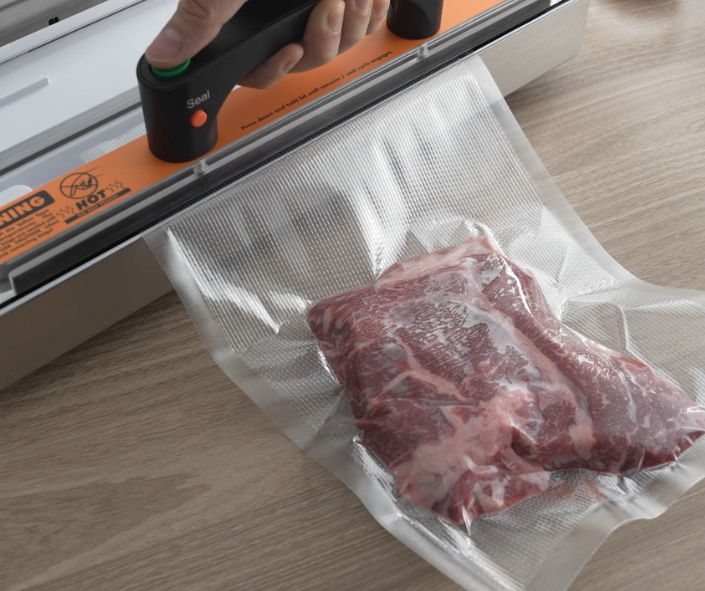
If you’re sealing more than 30 bags per session, several times per week, a basic domestic unit is operating beyond its design limits. This may lead to constant overheating regardless of cooling breaks.
The VS603 handles this with its dual piston pump and built-in cooling fan. It’s built for medium to heavy domestic use without the shutdowns that smaller units experience during bulk sessions. Consider the cost versus the risk of managing overheating and the potential need for early replacement.
Why Do Vacuum Sealers Overheat?
Understanding the heat source helps you prevent problems. Vacuum sealers generate heat from two places: the sealing bar and the vacuum motor.
The sealing bar must reach high temperatures to melt the bag material and create an airtight seal. The heating element does this job, and proper seal quality requires significant heat. This is normal operation.
The vacuum motor generates heat through friction and electrical resistance as it runs. The longer it operates, the more heat builds up inside the chamber. This is why wet foods that require longer vacuum time overheat more than dry items.
Most overheating happens because people run too many seals back-to-back, seal foods that take longer to vacuum, work in hot kitchens, forget to clean the vents, or have older machines where components aren’t as efficient as they used to be.
What to Do If Your Vacuum Sealer Overheats
Immediate Actions
Turn off your machine and unplug it straight away. As a precaution, give it at least 30-45 minutes to cool down properly. While you’re waiting, check whether vents are blocked or there’s debris around the sealing area.
When to Seek Professional Help
If your sealer continues to overheat even after you’ve tried these prevention tips, it’s time to get help. The same goes if you smell burning, see any damage, or notice the heating element behaves inconsistently. Both the VS105 and VS603 come with a 1-year warranty on all parts, so reach out to Pacfood if your unit is still covered.
For older machines, the repair quote can sometimes come close to the cost of a new unit. It is worth getting an expert opinion before you spend money on fixing an aging sealer.
Choosing the Right Vacuum Sealer for Your Needs
Prevention starts with matching your equipment to how you actually use it. How many bags do you seal in one session? How often are you vacuum sealing? What types of food are you preserving?
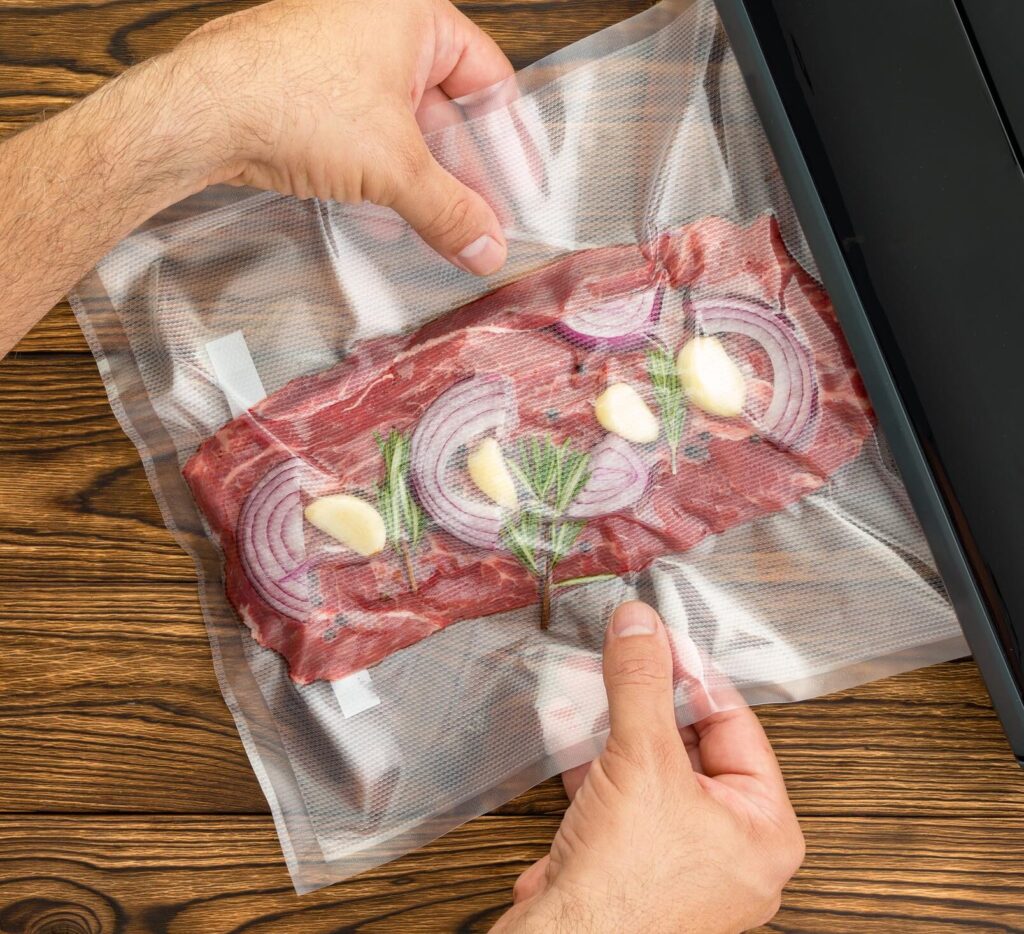
Here’s how the VS105 and VS603 compare for different usage patterns:
| Model | Best For | Key Features | Ideal Usage |
| VS105 | Small to moderate home use | Compact design, seal-only function, accessory port | Under 20 bags weekly, meal prep, occasional bulk sealing |
| VS603 | Heavy domestic/semi-commercial | Dual piston pump, 5mm seal, built-in cooling fan, quick start button | 30+ bags per session, fishing hauls, garden harvests, frequent bulk sealing |
Keep Your Vacuum Sealer Running Cool
Preventing overheating comes down to understanding how your machine works and respecting its limits. Most issues stem from continuous operation, blocked ventilation, or equipment mismatched to usage patterns.
Small changes make a significant difference. Take cooling breaks, keep vents clear, operate in reasonable temperatures, and maintain your unit regularly. These simple steps save money on food storage, reduce waste from seal failure, and extend your appliance’s life.
Ready to seal with confidence? Browse quality vacuum sealer bags compatible with both the VS105 and VS603, and learn more about how to use a vacuum sealer effectively.
Frequently Asked Questions
Can a vacuum sealer overheat?
Yes. All vacuum sealers generate heat through the sealing bar and vacuum motor. Overheating occurs when heat builds up faster than the machine can dissipate it, usually from continuous use without cooling breaks.
How do I stop my vacuum from overheating?
Follow duty cycle guidelines with cooling breaks between seals, keep ventilation ports clear of debris, operate at temperatures below 30°C when possible, and avoid sealing excessively moist foods, which can extend vacuum time.
Can a vacuum overheat and stop working?
Most modern units have thermal protection that automatically shuts the device off when the internal temperature gets too high. This prevents permanent damage. After cooling for around 30-45 minutes, the unit typically resumes normal function.
How long does it take for a vacuum to cool down after overheating?
Allow at least 30-45 minutes of cooling time after thermal shutdown. Place the unit in a well-ventilated area away from heat sources. Don’t attempt operation until the exterior feels cool to the touch and the power cord is at room temperature.