
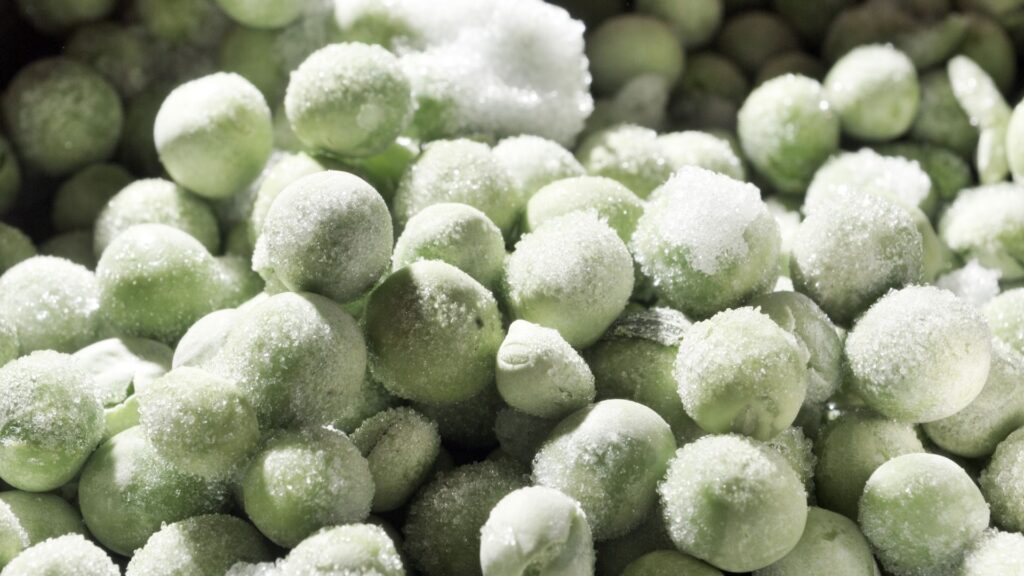
Who doesn’t love being able to freeze meals or meat for later? Most of us do it, and in most cases it works exceptionally well. But have you ever pulled out a pack of mince or chicken and noticed light grey spots, ice crystals inside the packaging, a dry, crumbly texture after thawing, or maybe it was the cardboard-like smell that made you second-guess it?
These are all signs of freezer burn, and it is a common reason good food gets thrown out.
The good news is that freezer burn can often be avoided. By following our freezer burn prevention tips in this article, you can keep your frozen food fresher for longer and avoid the disappointment of ice cream with an odd texture, your mum’s cottage pie tasting bland, or leftover mince being dry and crumbly.
Freezer burn is dehydration. It happens when frozen food loses moisture to the cold, dry air inside your freezer. Water molecules escape from the surface of the food, leaving behind dry, shrunken pockets in the tissue. The food becomes discoloured, leathery, or coated in ice crystals.
The technical term is sublimation, where ice converts directly to water vapour without melting first. It’s the same process used in freeze-dried foods, but here it’s working against you.
Freezer burn isn’t caused by bacteria, so it won’t make you sick. But it ruins texture and flavour, and it’s one of the most common causes of avoidable food waste in Australian homes.
Three things drive almost every case:
Poor packaging. If food isn’t sealed in airtight packaging, dry freezer air reaches the surface and pulls moisture out. Thin supermarket wrapping, loosely tied bags, and open containers all leave food exposed.
Temperature swings. Every time you open the freezer door, the internal temperature rises. If food partially thaws and refreezes repeatedly, ice crystals break down and moisture moves to the surface. This speeds up freezer burn significantly.
Time. Even well-packaged food will eventually show signs of freezer burn. Different foods have different storage limits; knowing them helps you rotate properly and use things before quality drops.
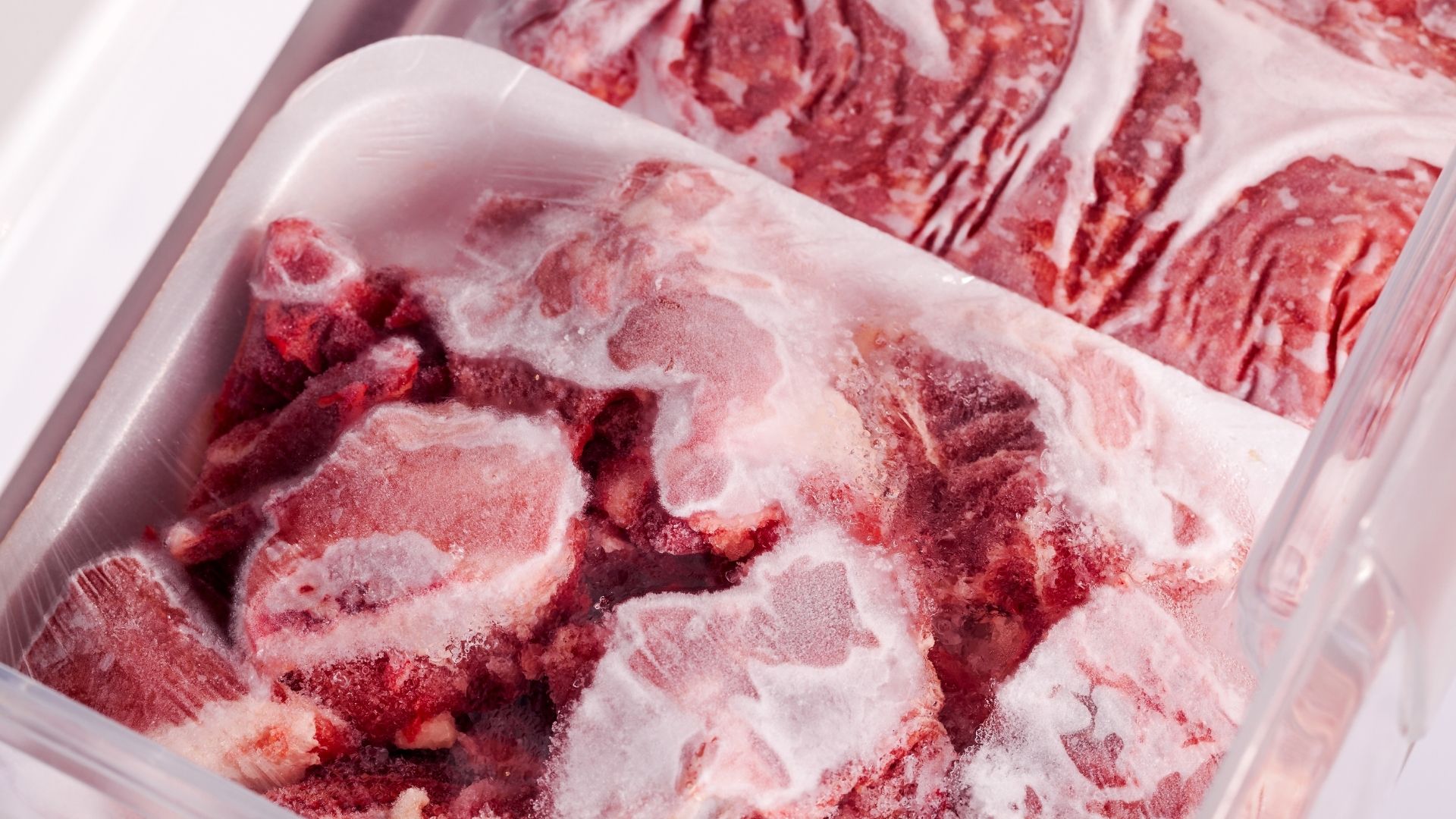
Have you ever gone digging through the freezer for your long-awaited tub of cookies-and-cream ice cream, only to notice something doesn’t look quite right? As you move packets around, you spot ice crystals inside the packaging. Some foods look like they have been dusted with a white or grey film. Then you finally find the ice cream, open the lid, and instead of a smooth, creamy surface, it looks icy, flaky, and dried out.
These are all common signs of freezer burn, and there is a good chance you have freezer-burnt food sitting in your freezer without even realising it.
Freezer burn can show up differently depending on the type of food:
If you’re also seeing frost on the inside walls of your freezer or bags, moisture has already left your food.
Yes. Food stored at or below -18°C is safe from a bacterial standpoint, as long as it was fresh when it went in and is thawed correctly.
The problem is quality. Freezer-burned food is dry, tough, and bland. You can trim affected sections from meat or fish before cooking. Freezer-burned fruit works fine blended into smoothies. A strong marinade or slow cooker can help, but you’re working around a problem that didn’t need to happen.
Standard zip-lock bags and supermarket wrap let air in over time. The goal is to remove as much air as possible before freezing. Freezer-grade bags, rigid airtight containers, and double-wrapping (cling film first, then a bag) all reduce exposure.
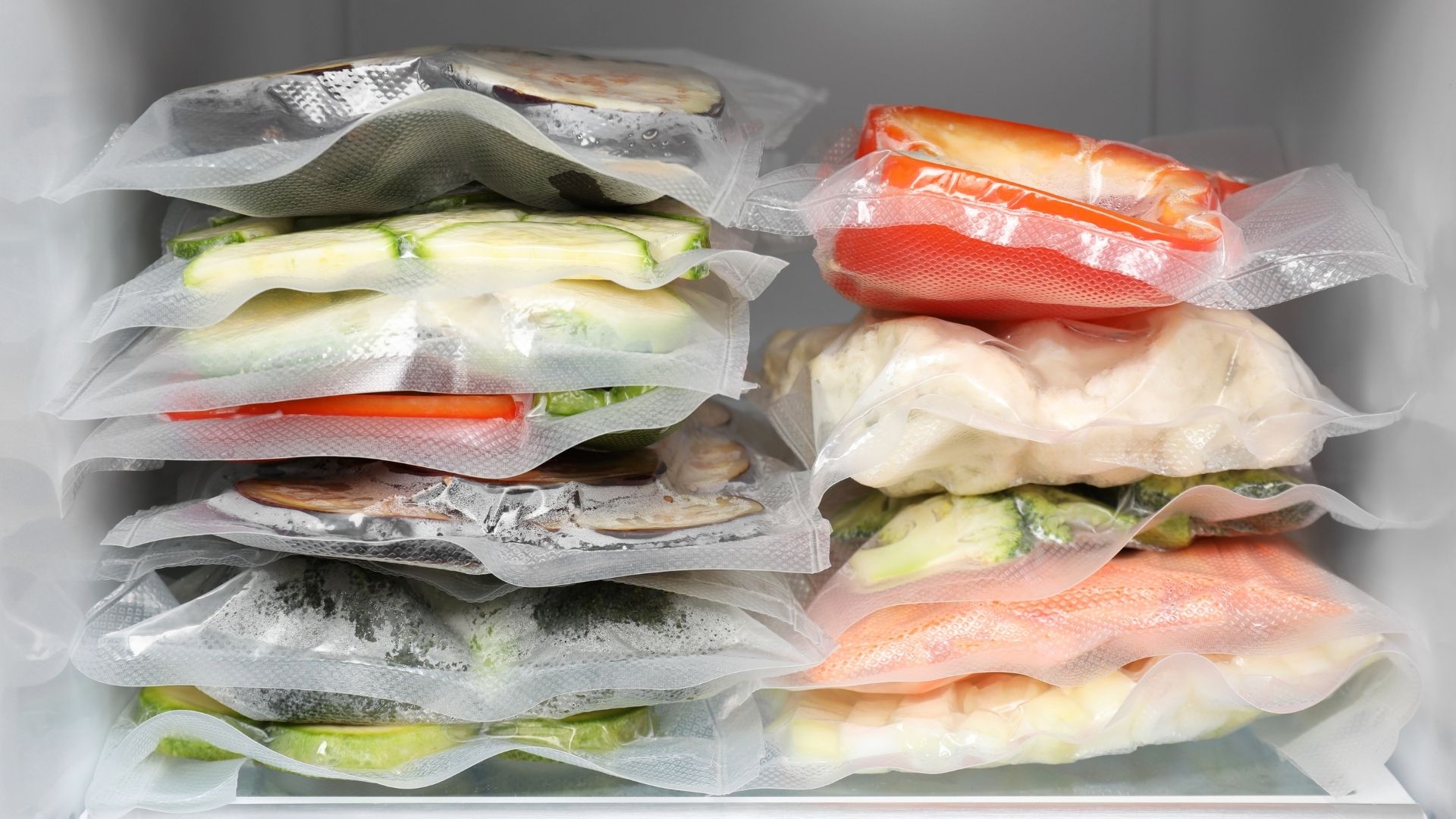
Removing air from the packaging removes the cause of freezer burn. No air means no sublimation, which means no ice crystals forming on the surface of your food.
Vacuum sealing helps food hold its quality for longer in the freezer by reducing air exposure and lowering the risk of freezer burn. While freezer storage times vary by product, vacuum sealing is one of the most effective ways to protect texture, flavour, and overall quality during long-term frozen storage.
Pac Food’s domestic vacuum sealers work with micro channel bags and rolls, or embossed micro channel bags, to create a tight barrier against air, moisture loss, and freezer burn. The embossed bags are better for sharp items like bones or whole fish; they’re tougher and less likely to puncture.
Putting hot food straight into the freezer raises the internal temperature and can partially thaw what’s already in there. Let cooked food cool slightly first, then refrigerate or freeze it promptly in shallow containers. Avoid leaving perishable food out at room temperature for extended periods.
This is the recommended temperature in Australia. At -18°C, food freezes quickly, forming smaller ice crystals that do less damage and are less likely to migrate to the surface over time.
Write the date on every package before it goes in. Use older items first; this is standard practice in commercial kitchens, and it works just as well at home. Most freezer burn from home kitchens comes from food that was simply forgotten.
A freezer that’s too full blocks airflow and creates warm spots. One that’s too empty struggles to hold temperature when you open the door. Around three-quarters full is the sweet spot.
| Freezer Burn | Spoiled Food | |
| Appearance | Dry, grey, or icy patches | Sliminess, mould, unusual colour throughout |
| Smell | Mild or faintly stale | Strong, sour, or rotten |
| Cause | Moisture loss from air exposure | Bacterial growth |
| Safe to eat? | Yes, quality reduced | No, discard it |
If there’s a strong or foul smell after thawing, especially on meat or seafood, that’s spoilage, not freezer burn. Don’t eat it!
It depends on the food and how well it’s packaged. Using standard freezer bags:
Vacuum sealing can help food keep its quality for longer by reducing air exposure and lowering the risk of freezer burn, but the exact improvement varies by the food, packaging, and freezer conditions.
Does vacuum sealing prevent freezer burn? Yes. Vacuum sealing removes the air that drives freezer burn. Combined with a quality freezer-grade bag, it’s the most reliable way to protect food in the freezer long-term.
Can you fix freezer-burned food? No, you can’t reverse it. But you can trim the affected areas and cook the rest with a sauce or marinade to compensate for the dryness.
What are the best bags to prevent freezer burn? Bags made specifically for freezer use are thicker and have a better air barrier than standard zip-lock bags. Vacuum sealer bags, like Pac Food’s micro channel or embossed micro channel bags, are the best option because they allow air to be fully removed before sealing.
Is it safe to refreeze food that has freezer burn? If the food was never thawed, it’s still safe, the quality has just dropped. If you’ve thawed it, cook it first before refreezing rather than returning it raw.
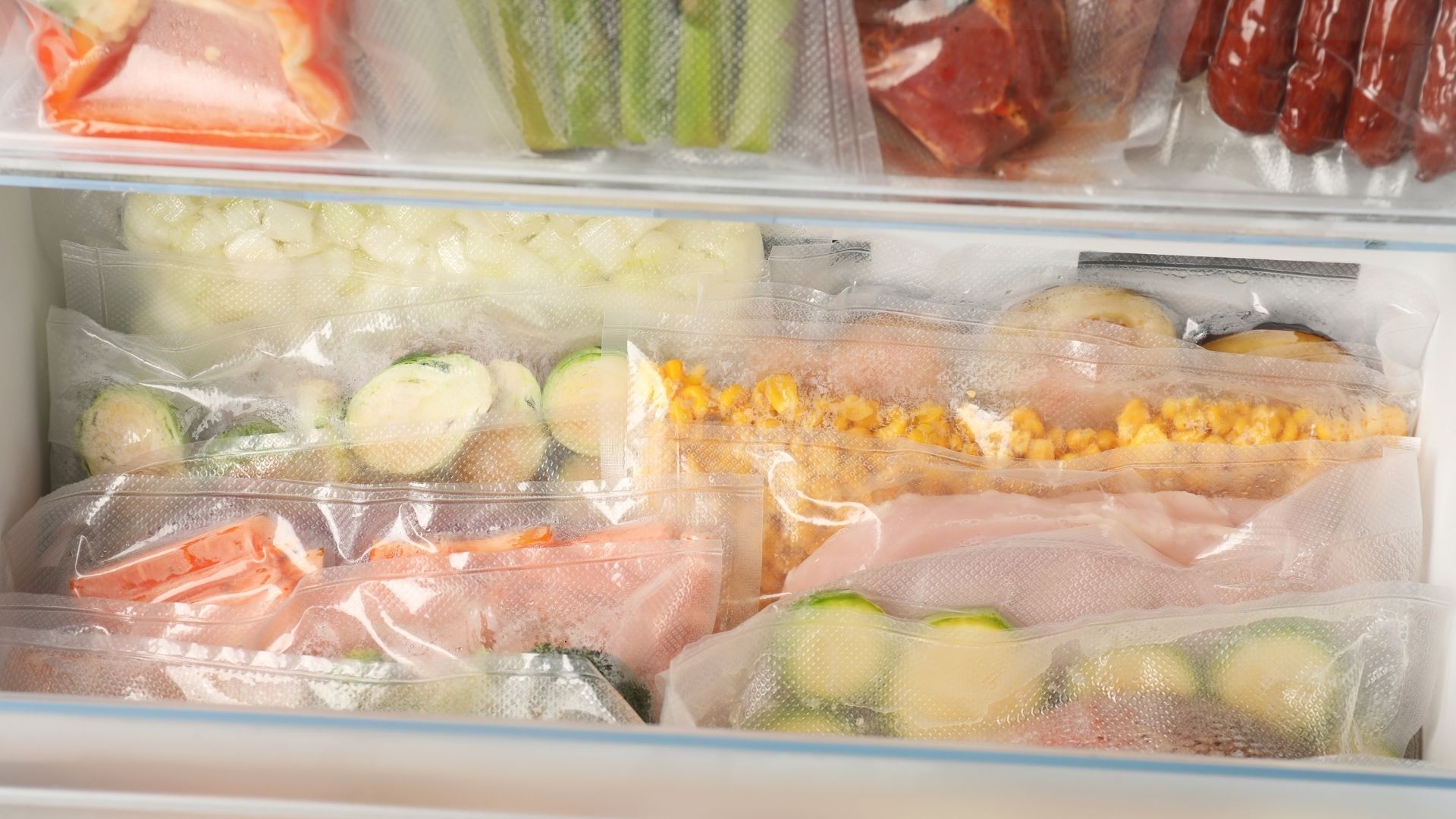
Freezer burn comes down to air. Remove the air, and the problem largely goes away.
Good packaging habits will take you a long way. But if you’re regularly freezing bulk meat, batch-cooked meals, or seafood, vacuum sealing is worth it for both food quality and reduced waste.
Shop vacuum sealers if you’re ready to make the switch. Pac Food’s domestic range suits everything from occasional home use through to frequent batch cooking and bulk storage.
Browse micro channel bags and rolls to pair with your sealer. They work with every type of vacuum sealer on the market and are food safe, BPA-free, and tough enough for long-term freezer storage.
See embossed micro channel bags if you’re sealing sharper cuts like bone-in meat or whole fish. The stronger structure resists puncturing and creates a better seal.
If you’re frequently ending up with bland, icy food, invest in a vacuum sealer and start vacuum sealing your food to keep it fresher and tastier for longer.