
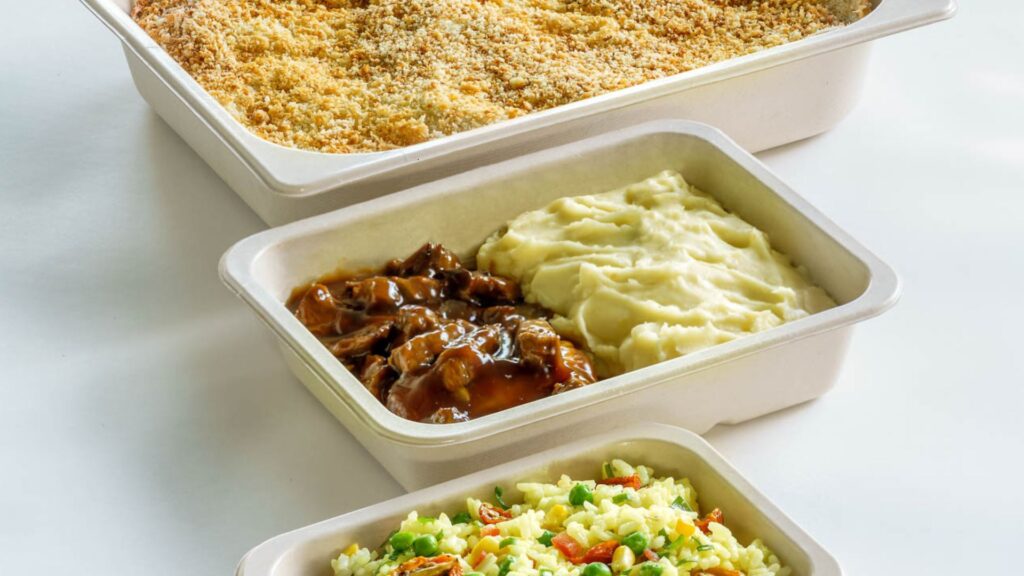
The holiday season is hard on cafes, restaurants, caterers, meal prep businesses and commercial kitchens. Christmas doesn’t land as a single day of pressure; it comes in waves: Christmas Eve, Christmas Day, Boxing Day and New Year’s Day even Valentine’s Day each drive their own spike in orders. The same pattern shows up around Easter, with Good Friday and Easter Monday doing the same thing, and ANZAC Day not far behind. School holidays add another layer on top, since more people have the time to eat out, cater an event or stock up on ready meals, from retirees with time to spare to parents taking a break from cooking. For cafes, restaurants, caterers, meal prep businesses and commercial kitchens, that adds up to a genuine increase in demand, not just one busy day.
Orders go up during the holidays, and there’s less room to fix mistakes on the fly. Packaging affects food safety, presentation, shelf life and how many orders your business can get out the door to customers, so create a stocktake, forecast what you’ll need more of, purchase your core packaging early, and keep backup stock of anything you can’t afford to run out of. If you’re a business owner planning for the season ahead, this is where your holiday packaging prep starts. This guide covers how to stocktake what you’ve got, forecast what you’ll need by food type, order early with the right backup stock, and avoid the packaging mistakes that trip businesses up during peak trade: the trays, film, bags and pouches that keep production moving, not gift wrap and ribbon.

Run out of packaging during the holidays and production stops, just like running out of ingredients. The wrong packaging risks leaking meals, failed seals, poor presentation, or a genuine food safety issue that damages your brand with the customers you’re trying to keep over the holidays.
Packaging is also one of the few things customers actually see and touch. A kitchen can nail the food and still lose a customer over a container that leaks in transit or a seal that fails before the meal reaches the table, and during the holidays, when word travels fast between friends doing the same rounds of catering and ready meals, that matters more than usual.
Don’t plan your menu, rosters and prep schedule, then think about packaging last, since it needs to sit inside the same planning process. It’s also worth securing casual staff early, since good temp workers get booked out fast once the season starts. A short-staffed or undertrained team is more likely to grab the wrong pack size, reach for the nearest bag instead of the right one, or waste stock through simple mistakes made under pressure, and that burns through your backup supply far faster than planned.
You’ll likely go through more meal trays, lidding film, vacuum bags, stand-up pouches, boxes and takeaway containers than usual. Pac Food supplies commercial food packaging Australia-wide and operates a “never out of stock” policy, which matters most in the weeks when your usual supplier’s lead times stretch out.
Before you order anything, write down every packaging item you use: trays, pouches, bags, film, lids, labels, cartons, boxes, liners, sealing consumables, all of it. Split it into daily essentials and seasonal extras, and flag which items would stop you trading if you ran out. Guesswork is how businesses end up short during the holidays.
Your highest-use items are probably lined sugarcane trays, vacuum sealer bags, stand-up pouches, lidding film and cook chill bags. Check that your trays match your film and your bags fit your sealer. Pac Food’s lidding film comes in low- and high-barrier options, built to work with the tray sealer brands most kitchens already use. Pac Food’s website lists current sizes for reference.
A sales forecast alone won’t tell you what packaging to buy, since different menu items need different packaging. Focus on the food type and sales channel instead: a cafe needs more takeaway containers; a caterer needs more trays and bulk storage for larger events; a meal prep business needs more lined sugarcane trays and lidding film; and a manufacturer needs more vacuum bags or cook-chill bags. It’s also worth a glance at what competitors are doing over the same period, since a sudden jump in local demand can catch everyone’s supply short at once.
Lined sugarcane meal trays and black meal trays, paired with lidding film, for fresh, frozen and skin-sealed ready meals. Lined sugarcane trays give kitchens a more eco-friendly option without changing how the meal is packed, sealed or reheated, while black meal trays remain a good standard option for high-volume runs. Meal prep businesses tend to see the sharpest spike in December, as customers stock their freezers ahead of time off work or family visits.
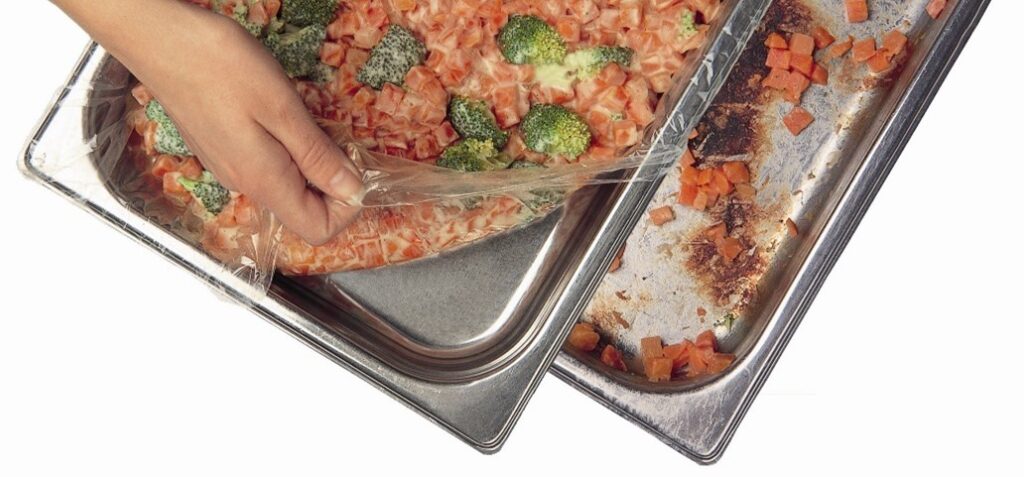
Portioning, safe transport, leak resistance and how the food looks on arrival at holiday events. Caterers often run several events back-to-back over the holidays, so packaging that survives a bumpy transport run matters as much as how it looks on the table.
Cook-chill bags built for hot filling, chilling and regeneration, plus seal strength for shelf life. This is also where batch production pays off, since making a larger volume once and storing it properly can cover several weeks of holiday demand.
Stand-up pouches and Ziploc options, with barrier properties that keep dry goods and liquids stable on a shelf. For retailers selling sauces, hampers or gift packs, packaging design matters as much as what’s inside, since customers browsing a gift shelf make quick decisions based on how a product is presented.
Packaging design should start with what suits the food, the storage conditions and how it’ll be served, not what looks good on a shelf. Check the supplier’s information before freezing, microwaving, oven heating, boiling water, cook chill or sous vide. FSANZ requires food businesses to use packaging that’s fit for its intended purpose and unlikely to contaminate food. In practice, that means checking a product is actually rated for the conditions it’ll face, whether that’s freezing, high heat, extended storage or humidity, before you rely on it.
Chilled and frozen meals need the tray, freezer rating and reheating method to work together. Hot-fill and cook-chill shelf life depends on fill temperature and chilling speed, not just the bag itself. Vacuum sealing behaves differently for dry goods than for wet ones, and Pac Food’s bags come in 70-, 100-, 120-, and 200-micron options depending on what you’re packing.
Create a simple checklist covering current stock, peak weekly usage, backup quantity, product sizes, matching lids or film, sealer compatibility, storage space and supplier lead times. A checklist like this doesn’t need to be complicated; it just needs to sit somewhere your team actually checks before placing an order.
| Business Type | Likely Holiday Pressure | Packaging to Review |
| Cafe | More catering and grab-and-go ready meals | Lined sugarcane meal trays, bags, sauce packaging |
| Meal prep business | More ready and frozen meals | Lined sugarcane trays, black meal trays, lidding film, tray sealers |
| Caterer | Larger bulk orders | Meal trays, lidding film, transport-safe packaging |
| Commercial kitchen | Batch production and distribution | Cook chill bags, vacuum bags, labour savers, core temperature valves |
| Food retailer | More sauces, dry goods and gift products | Stand-up pouches, ziplock pouches, labels |
Watch for the usual failure points: the wrong film on the tray, the wrong bag for your sealer, packaging not rated for freezing or heating, or not enough backup stock. Most of these come down to ordering under time pressure rather than ahead of time. The right tools, like a checklist your team actually uses, help manage this before it becomes a problem.
Order early, and you avoid stock-outs, substitutions and freight delays during the busiest weeks of the year, when customer spending patterns shift fast, and demand is hardest to read. A common rule of thumb is to purchase 25% to 50% more core packaging than projected holiday sales demand, since peak weeks are harder to predict than normal:
Peak weekly usage × expected lead time in weeks + backup quantity = minimum stock target
Order your main tray sizes, matching lidding film, vacuum bags, cook-chill bags, and stand-up pouches first, since these would stop production if they ran out. Don’t over-order slow-moving sizes or seasonal packaging you’re unsure you’ll use. For example, a caterer with a fixed holiday menu can commit to firm quantities early, while a cafe running rotating specials should keep a bit more flexibility in reserve. These are the kind of stock strategies worth revisiting each year, not just once.
Customers care about sustainable packaging, especially during a season known for waste. A 2020 global study by Boston Consulting Group found 59% of shoppers were less likely to buy a product in packaging seen as harmful to the environment. Choosing sustainable materials, such as lined sugarcane trays, can genuinely reduce a business’s carbon footprint and environmental impact, but the claim must still be true.
Vague claims like “green” or “eco-friendly” carry real risk if you can’t back them up. The ACCC’s guidance is clear: claims need to be true, accurate and based on reasonable grounds, and this matters just as much in your marketing plan as it does on the pack itself. APCO’s Sustainable Packaging Guidelines are a solid Australian resource here. Any recyclable, compostable or reusable claim should be specific, and checked with your supplier before you print it.
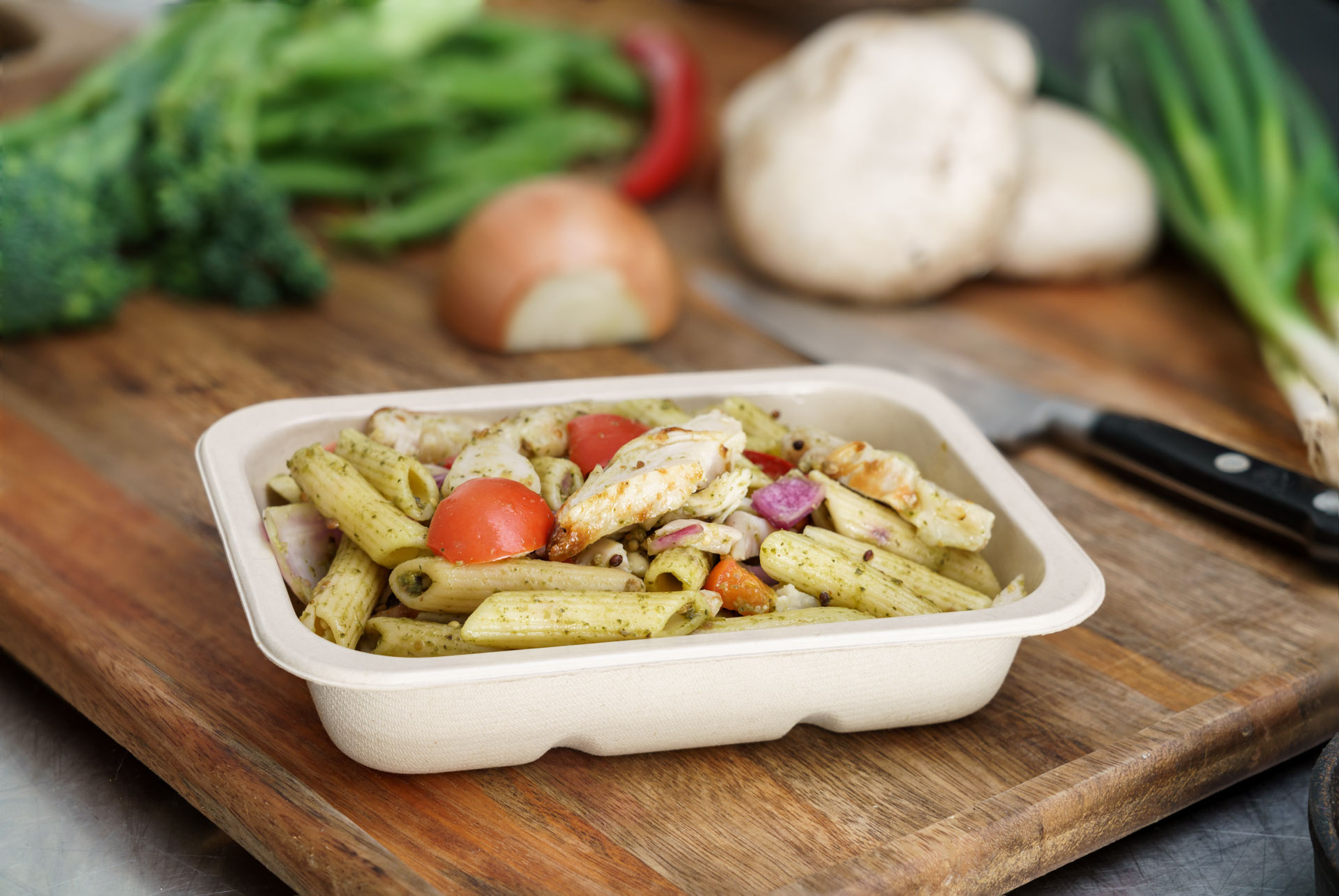
Lined sugarcane meal trays are a more eco-friendly option for ready meals and reheatable dishes across catering, aged care and hospital kitchens, and are worth reviewing as a switch from standard trays ahead of the holiday period.
Black meal trays remain a reliable standard for high-volume ready meal production where sugarcane isn’t the right fit. Lidding film and tray sealers work together, and Pac Food’s tray sealers suit common meal tray sizes, sealing 6 to 8 trays a minute. Vacuum sealer bags extend shelf life for dry and wet goods, cook-chill bags handle bulk soup and sauce production for caterers and their clients, and stand-up pouches suit sauces and dry goods that attract attention and hold their shape on the shelf.
Labour-saving packaging and services are also worth a look for busy kitchens managing holiday sales volumes, since a small change here can be the difference between a smooth season and a stressful one.
The holiday season is a lot easier to manage, right through to the new year, when your packaging is sorted before demand picks up, not after. Start preparing early; a well-prepared business protects its food, presentation, and brand through the busiest weeks of the year, setting the whole season up for success.
Browse Pac Food’s commercial food packaging range or get in touch with the team for advice before the rush hits. Don’t let a packaging shortage keep your business from keeping up with holiday demand. Be prepared, and order ahead of time.
When should food businesses order packaging before the holiday season?
As soon as you’ve forecast demand, allowing for supplier lead times and holiday freight delays.
What food packaging supplies should I stock up on before Christmas?
Core meal trays, matching lidding film, vacuum sealer bags, cook chill bags and stand-up pouches, whatever your highest-volume products actually use.
What packaging is best for ready meals during peak trading?
Lined sugarcane trays or black meal trays with matching lidding film. It’s the standard setup for fresh, frozen and tray-sealed meals.
Can I use the same packaging for chilled, frozen and reheated food?
Not always. Check that a product is actually rated for freezing, microwaving or oven use before relying on it across the board.
How do vacuum sealer bags help during busy production periods?
They extend shelf life on prepped ingredients and finished food, giving your kitchen more room to prepare ahead of a rush.
What should I check before choosing sustainable food packaging?
That food safety and shelf life still come first, and that any recyclable, compostable or reusable claim is accurate and specific.